
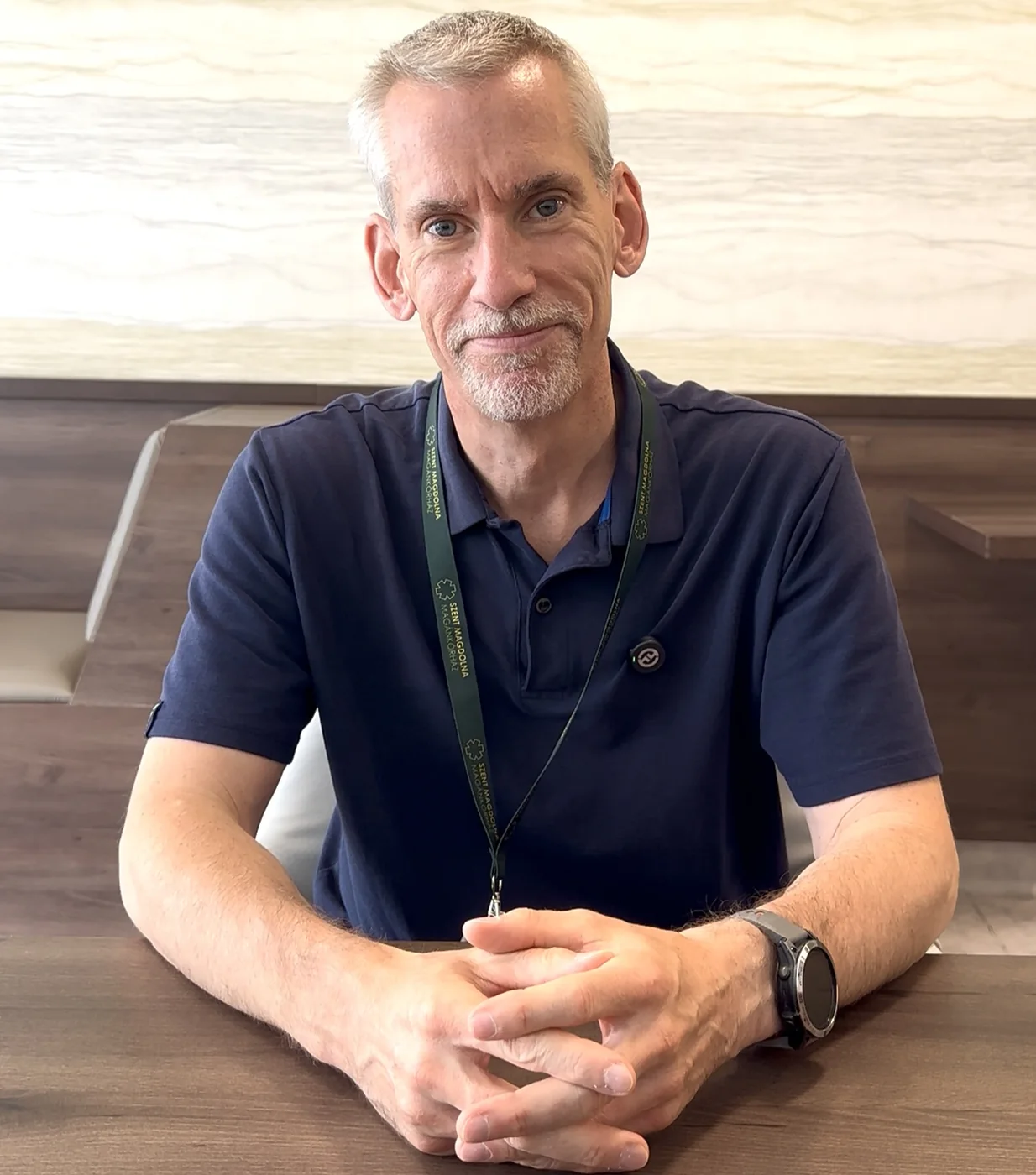
How does the consultation usually proceed?
1. Medical history and priorities
Your symptoms, previous illnesses and operations, current medication and general health are reviewed. It is also useful to identify the questions or concerns that matter most to you.
2. Review of reports and imaging
Laboratory results, pathology reports and CT, MRI, ultrasound or other imaging are reviewed. Whenever possible, bring the original images as well as the written report.
3. Discussion of next steps
The consultation should clarify what is known about the condition, whether additional tests are needed and which treatment options may be relevant.
What should you bring?
Medical documents
- urology and oncology clinic notes,
- hospital discharge summaries,
- records of previous operations,
- important specialist reports.
Imaging
- CT,
- MRI,
- ultrasound,
- PET/CT or PSMA PET/CT if performed.
Laboratory tests and medication
- recent blood tests,
- kidney function results,
- regular medications and doses,
- anticoagulants and drug allergies.
Original images
Bring them on CD, USB drive or via secure online access if the imaging centre provides it.
Especially useful for prostate cancer
- previous PSA results in chronological order where possible,
- prostate MRI report and original images,
- prostate biopsy pathology report,
- pathology review if performed,
- staging investigations.
Especially useful for a kidney tumour
- abdominal CT or MRI report and original images,
- previous scans if the lesion was seen before,
- kidney-function blood tests,
- records of previous kidney operations or kidney disease.
If surgery is being considered
For prostate cancer, relevant questions may include whether radical prostatectomy is appropriate, whether lymph-node removal is needed and whether nerve sparing can be performed safely. For a kidney tumour, a central question is whether kidney-sparing surgery is feasible.
Write down your questions in advance
Common questions include whether treatment is definitely necessary, whether there are alternatives to surgery, what recovery is like and which functional effects are realistic.
You may bring someone with you
If you wish, you can attend with a family member or another trusted person. A lot of information may be discussed at once, and a second listener can be helpful.
The information above is general. The need for specific tests or treatment steps is determined individually.